Unveiling the World of Built-in Appliances: Enhancing Modern Living
Built-in appliances have actually transformed the method people approach home style and effectiveness. These vital elements of contemporary homes not only make the most of space but also create a seamless aesthetic, making kitchen areas and other areas look polished and organized. From ovens that fit snugly within cabinets to refrigerators that mix into the design, built-in appliances provide both practicality and design. This short article explores the different kinds of built-in appliances, their benefits, design factors to consider, and answers some often asked concerns.
Understanding Built-In Appliances
Built-in appliances are devices developed to be integrated into kitchen or home structures effortlessly. Unlike freestanding appliances, which can be moved and rearranged, built-in models are typically installed into cabinets or specific built-in areas during new home building or significant remodellings. This permits a cohesive style, optimizing performance while enhancing visual appeal.
Types of Built-In Appliances
The most typical classifications of built-in appliances include:
| Type | Description | Examples |
|---|---|---|
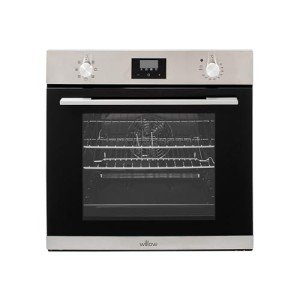
| Cooking Appliances | Include ovens, microwaves, and stovetops that can be built into the cabinets. | Built-in ovens, microwave drawers, induction cooktops |
| Refrigeration | Appliances that mix into the kitchen while preserving their cooling functions. | Built-in refrigerators, white wine coolers |
| Dishwashing | Dishwashers designed to be set up behind cabinets doors for a structured appearance. | Integrated dishwashing machines |
| Laundry | Appliances like washers and dryers created to fit nicely into utility room. | Built-in washing devices, mix washer-dryer units |
| Other | A classification that may consist of ventilation hoods, coffee machine, and custom appliances. | Built-in coffee makers, warming drawers |
Advantages of Built-In Appliances
1. Area Efficiency
Built-in appliances are developed to make use of area more effectively. They can be tailored to fit comfortably within existing cabinetry or special architectural features of a home.
2. Aesthetic Appeal
The integration of appliances allows house owners to produce a clean and cohesive appearance. The absence of large machines promotes a tidy environment, making spaces, especially cooking areas, look more roomy and organized.
3. Enhanced Functionality
Numerous built-in appliances included sophisticated features, allowing users to optimize their culinary efforts. The seamless style also motivates efficient workflow in the kitchen, an important aspect for cooking enthusiasts.
4. Increased Property Value
Top quality built-in appliances typically include significant value to homes, as they reflect modern style and functional performance. Prospective purchasers are normally drawn in to homes equipped with these updated features.
5. Customization Options
House owners can select from a variety of finishes, styles, and technologies, enabling them to tailor their space. Whether choosing for stainless steel, panel-ready alternatives, or special colors, there is an almost limitless range of choices.
Style Considerations for Built-In Appliances
While the integration of built-in appliances can considerably enhance the appearance and function of a space, certain design considerations should be taken into account:
- Measurements: Accurate measurements are crucial for making sure a correct fit within cabinets.
- Ventilation: Proper ventilation is important for cooking appliances to avoid getting too hot and to preserve air quality.
- Power Supply: It's crucial to guarantee that the necessary electrical and pipes facilities remains in place before installing built-in appliances.
- Availability: Design ought to focus on user ease of access to ensure that utensils, appliances, and work areas are within simple reach.
- Visual Compatibility: All built-in appliances must be selected to complement the style theme of the home.
Regularly Asked Questions About Built-in Appliances
1. Are built-in appliances more costly than freestanding ones?
Built-in appliances tend to be more pricey due to their custom-made nature and installation processes. Nevertheless, the added worth and advantages can justify the investment, especially in premium designs and technologies.
2. gas hob electric oven built-in built-in appliances be moved quickly?
No, built-in appliances are generally not created to be moved. They are set up into cabinetry, making relocation challenging and often requiring substantial effort and improvement.
3. How do I maintain built-in appliances?
Upkeep depends on the kind of appliance. Regular cleaning is suggested in addition to regular look for any service concerns. Always refer to the maker's guidelines for particular upkeep requirements.
4. Are built-in appliances energy-efficient?
Lots of built-in appliances are developed to be more energy-efficient than older or freestanding designs, often equipped with functions that minimize energy usage.
5. Can gas hob electric oven built-in set up built-in appliances myself?
While some homeowners may select to set up appliances themselves, it's often advisable to employ an expert, especially for electrical or pipes connections. Correct setup makes sure safety and ideal efficiency.
Built-in appliances represent an innovative method to achieving a modern, efficient, and aesthetically pleasing home. With many choices readily available, property owners can enhance both the performance and design of their home. As the demand for elegant and useful designs continues to increase, the integration of built-in appliances will stay a significant trend in modern home style. By considering the advantages, design requirements, and maintenance requirements, people can make educated decisions about integrating these streamlined and advanced makers into their homes.